
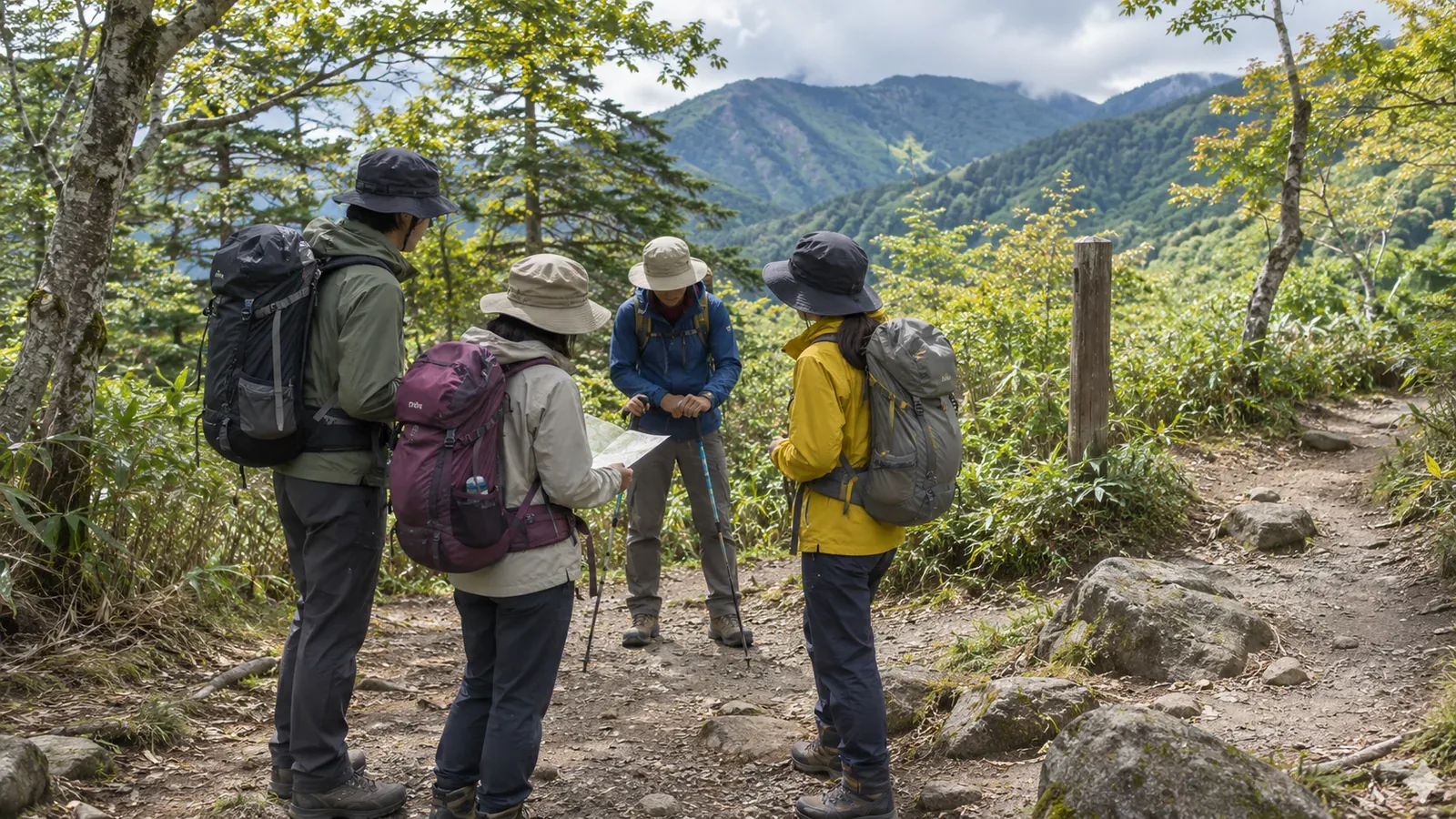
Use the first stretch to settle into the pace of whoever is walking most slowly that day. The U.S. National Park Service and the Appalachian Trail Conservancy (ATC) recommend matching that person’s pace and staying together. Watch how the group walks at the start and rethink breaks and the rest of the route. Find a pace everyone can manage before anyone pushes to catch up with the fastest hikers.
Why the first section sets the pace
The U.S. National Park Service’s Hike Smart guide recommends letting the slowest person set the pace and staying together. It also suggests putting that person near the front. Great Smoky Mountains National Park makes the same recommendations. You may arrive slightly later, but you’re less likely to get separated and can help an injured person right away. The ATC’s group hiking guide also recommends moving at the pace of the slowest person and keeping the group together.
People can mean different things when they say “I’m comfortable with an average pace.” Some differences only become clear on the trail. Set the pace early based on how everyone is doing that day, with the schedule as a guide. If you’re running late, revisit the destination and turnaround time. Give yourself room to adjust without having to make up time in the second half. Apply the general guidance from overseas sources to local terrain, rules and how people are doing.
Check how easily you can talk and how the group is arranged
Hike Smart and the Smokies’ guide suggest using the ability to talk as a clue about pace. When you don’t need to concentrate on footing, check whether people who walk more slowly can answer without effort. If answers become difficult, slow down and check how they’re doing in a place where you can stop safely. Conversation alone doesn’t establish that someone is well. Make it clear that people can ask for a break or mention that they feel unwell before any planned check-in.
The guides suggest two positions. Hike Smart and the Smokies recommend putting the slowest person near the front. The ATC suggests assigning a leader to stay at the back as the sweep. That way, the person near the front sets the pace and the person at the back can check that everyone is there.
The National Park Service recommends taking regular breaks and paying attention to how you feel. At the first break, adjust clothing or drink water, ask whether everyone has had time to rest and discuss the pace and how often to stop. Give the last person to arrive time to rest even if those who arrived first are ready. If someone still feels unwell, consider changing the itinerary or getting the help they need.
Keep everyone together at junctions and when the route is unclear
The ATC recommends waiting for everyone at junctions. Find junctions on the map before setting out and agree that the people at the front will stop where it’s safe to wait and where those behind can see which way to go. If a spot is too narrow or dangerous to gather, stay together before reaching it and check the route there. A waiting point doesn’t make it safe to lose sight of each other between junctions.
Japan’s National Police Agency’s 2023 report recommends deciding promptly if you think you’re lost. Avoid walking on blindly and consider retracing your route to the official trail. First make sure it’s safe to stop and check where you are. Retrace your steps only if you’re sure of the route and can return safely. Avoid pressing on or trying to return through a dangerous spot, and request rescue if needed. Stay close enough that everyone can take part in the decision at junctions.
The same report recommends hiking with a trusted leader because problems are often harder to handle alone. Even in a group, it’s harder to know how someone is doing if you’re far apart. Have the people in front slow down when the line stretches out. Phones may lose coverage or run out of charge. Keep the group together without relying on calls to reconnect.
What to prepare on paper before setting out
Hike Smart and the Smokies recommend choosing a route everyone can finish safely and enjoy. Consider experience, pack weight, fitness, familiarity with the conditions and whether you’ll hike alone or with others. The Smokies notes that a short route can still be difficult or take a long time. Based on this guidance, the editorial team suggests the following steps on paper.
First, have everyone answer questions about experience, packs and how they feel, and share what the group needs to know. Second, estimate uphill and downhill times from distance, grade and surface at the slowest hiker’s pace. Third, include breaks and spare time, and set a turnaround time that leaves enough time to get back. Fourth, decide where you’ll check in at junctions and who will stay at the back. Fifth, note what to discuss at the first break, including pace, how often to stop and the spacing between hikers.
The Smokies’ guide recommends turning back when you’re unsure or the hike is harder than expected. Hike Smart also recommends counting the round trip and watching the time so you’re back before dark. If the first part takes longer than expected, look at the terrain ahead and revisit the turnaround time and destination. Japan’s National Police Agency also recommends choosing a mountain suited to fitness and health, leaving time for breaks and sharing the plan with companions, family and work.
Set the pace early and follow the slowest hiker when in doubt
On a hike with people who walk at different speeds, use the first section to confirm the slowest hiker’s pace as the pace for the whole group. The guides suggest letting the slowest hiker set the pace near the front, using the talk test as a clue and waiting for everyone at junctions. The editorial team suggests checking in at the first break and adjusting how often you rest and how much space you leave between people. Write down your answers to the planning questions, the turnaround time and possible meeting spots at junctions before you leave.
Difficulty, rules and trail conditions change by area and season. Check the latest information from the trail manager or local authority. If you’re worried about how someone is feeling, keep the option of shortening or canceling the hike open from the start.